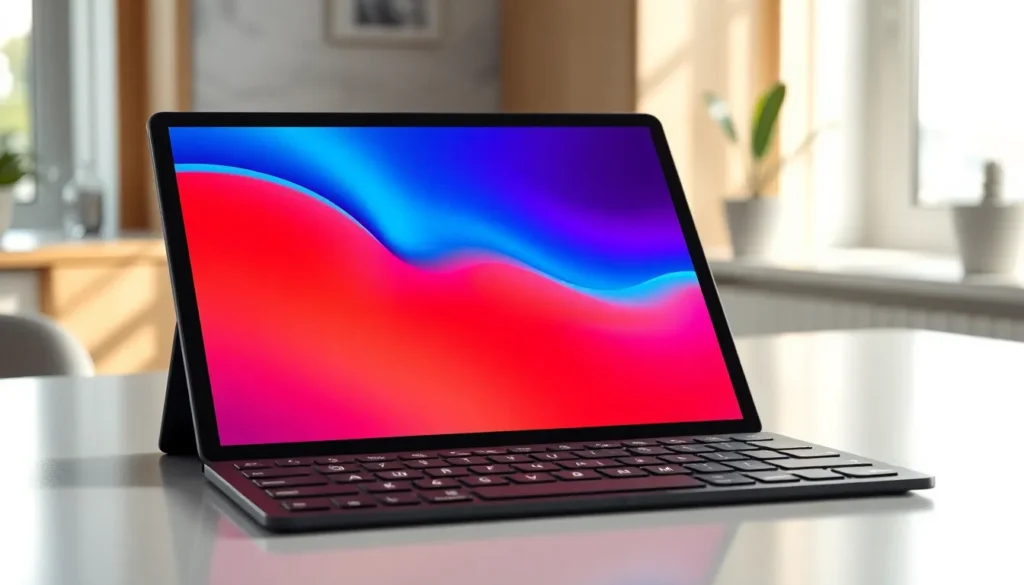
Tablet designs have evolved dramatically over the years, blending functionality with aesthetics to meet the diverse needs of users. From sleek and lightweight models to robust devices designed for productivity, the variety in tablet designs caters to both casual users and professionals alike.
As technology advances, manufacturers are pushing the boundaries of what tablets can do, offering innovative features that enhance user experience. Whether it’s a vibrant display for media consumption or a detachable keyboard for on-the-go productivity, the right tablet design can transform how individuals interact with technology. Exploring these designs reveals not just the latest trends but also the future of portable computing.
Overview of Tablet Designs
Tablet designs encompass a wide range of styles and functionalities that cater to diverse user preferences. High-resolution displays, ranging from 7 to 13 inches, provide exceptional clarity for various tasks, whether reading, streaming, or creating content.
Materials play a crucial role in design, with manufacturers using aluminum, glass, and plastics to enhance durability and aesthetics. Lightweight constructions allow for portability, while sleek profiles maintain a modern look.
Form factors vary significantly among tablets. Traditional slate designs dominate the market, offering simplicity and ease of use. Detachable 2-in-1 tablets combine portability with laptop capabilities, featuring detachable keyboards that adapt to different workflows. Foldable screens represent the latest innovation, enabling compact designs without sacrificing screen size.
The user interface continues to evolve in response to design changes. Gesture controls, adjustable displays, and multi-tasking capabilities enhance usability across different tasks. Tablet designs also prioritize accessibility, with features like voice recognition and customizable settings to accommodate diverse users.
Current trends indicate a movement towards eco-friendly materials and sustainable production practices. As technology evolves, tablet designs will likely incorporate even more advanced features, maintaining a balance of form and functionality that meets the needs of the modern user.
Key Features of Tablet Designs
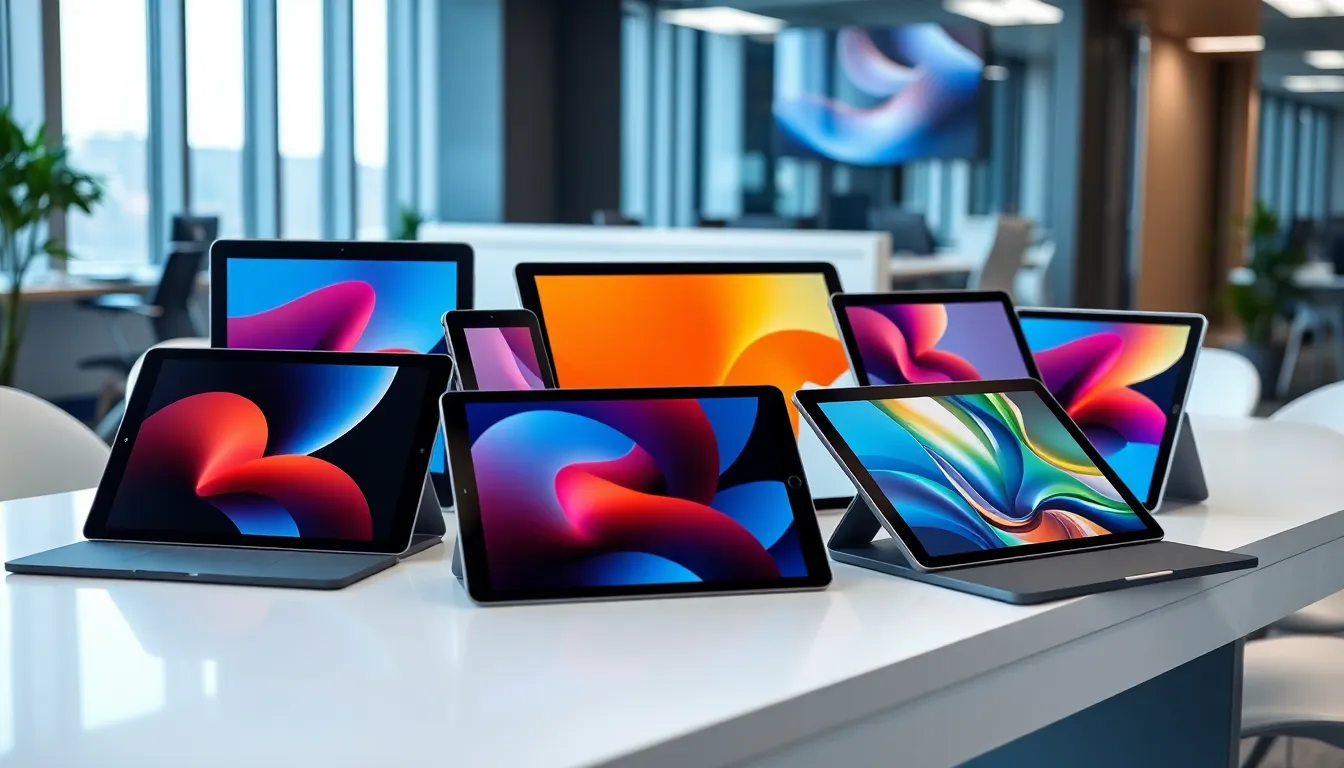
Tablet designs feature several essential attributes that contribute to their usability and appeal. These characteristics focus on enhancing user experience through thoughtful design elements and advanced technology.
Size and Form Factor
Sizes vary widely, accommodating different preferences and usages. Tablets typically range from 7 inches to over 13 inches in screen size. Form factors include:
- Traditional Slates: Sleek, lightweight designs that emphasize portability.
- Detachable 2-in-1 Tablets: Combines tablet functionality with laptop capabilities through removable keyboards.
- Foldable Designs: Innovative structures that minimize size while maximizing screen real estate.
These variations address specific user needs, ensuring optimal functionality in diverse contexts, from casual browsing to professional tasks.
Display Technology
Display technology continues to evolve, significantly affecting user satisfaction. Key aspects include:
- Resolution: High-resolution displays, often exceeding 2K or 4K, present sharp images and clear text.
- Color Accuracy: Technologies like OLED and AMOLED provide vibrant colors and deeper blacks.
- Touch Sensitivity: Enhanced touch responsiveness ensures fluid user interaction with gestures and multi-touch input.
Innovations in display technology not only enhance visual quality but also contribute to immersive experiences, making tablets suitable for entertainment, productivity, and creative work.
Popular Tablet Designs
This section examines popular tablet designs from leading manufacturers, showcasing unique features that cater to diverse user needs.
Apple iPad
Apple’s iPad series exemplifies sleek design and high functionality. Variants like the iPad Pro and iPad Air incorporate premium aluminum bodies and edge-to-edge Liquid Retina displays, enhancing durability and visual clarity. The seamless integration of the Apple Pencil and Magic Keyboard caters to creative and professional users. iPads support iPadOS, offering multitasking capabilities and a refined user experience.
Samsung Galaxy Tab
Samsung’s Galaxy Tab series combines innovation with versatility. Models such as the Galaxy Tab S series feature AMOLED displays, providing rich colors and deep contrasts. The sleek design, coupled with lightweight materials, promotes portability. Galaxy Tabs support S Pen functionality, appealing to artists and note-takers alike. Samsung’s One UI enhances usability, ensuring a smooth interaction across various applications.
Microsoft Surface
Microsoft’s Surface lineup introduces a hybrid approach to tablet design. Devices like Surface Pro 9 feature a kickstand and detachable keyboard, transforming them into powerful laptops or tablets as needed. The PixelSense display offers precise touch responsiveness, supporting both artistic and professional tasks. Windows 11’s integration provides a desktop-like experience, enabling users to run full desktop applications seamlessly.
Innovative Trends in Tablet Designs
Tablet designs are becoming increasingly dynamic, with manufacturers focusing on features that enhance both usability and aesthetics. Innovative trends include foldable designs and modular construction, pushing the boundaries of portability and functionality.
Foldable Tablets
Foldable tablets represent a significant advancement in portable computing, allowing users to enjoy larger screens in compact sizes. Companies like Samsung have pioneered this technology, featuring devices that unfold to provide expansive displays while fitting easily in bags. Current models leverage flexible OLED screens that retain high-resolution and vibrant colors. These designs support multi-tasking, enabling users to run multiple applications side-by-side seamlessly. Foldable tablets also incorporate durable hinges and robust construction to withstand repeated use, highlighting both form and functionality.
Modular Designs
Modular designs in tablets emphasize customization and adaptability for user-specific needs. This trend allows users to swap out components, such as storage or processing units, enhancing longevity and performance. Companies like Microsoft have introduced devices that support accessory integration, enabling features like external keyboards or additional screen attachments. Modular designs cater to diverse user preferences, whether for gaming, work, or creative tasks, thus promoting efficient use of resources. Enhanced serviceability directly impacts sustainability, minimizing electronic waste while maximizing utility across varying user contexts.
Tablet designs continue to evolve in response to user demands and technological advancements. The combination of aesthetics and functionality is more important than ever as manufacturers strive to create devices that cater to a wide range of needs. With features like high-resolution displays and innovative form factors, today’s tablets offer unparalleled versatility for both work and play.
As sustainability becomes a priority, future designs are likely to incorporate eco-friendly materials and modular components. This shift not only enhances user experience but also promotes a more responsible approach to technology. The ongoing trends in tablet design signal an exciting future where adaptability and user-centric features remain at the forefront.